Red light therapy benefits: Best at-home devices & masks

Affiliate Disclosure: This post may contain affiliate links. If you make a purchase through these links, we may earn a small commission at no extra cost to you. We only recommend products we genuinely believe in. Learn more
Medical Disclaimer: This content is for informational purposes only and is not medical advice. Please consult a healthcare professional before making health-related decisions. Full disclaimer
In This Article
Until about a year ago, I hadn’t heard much about red light therapy, but it has quickly grown in popularity. It may sound like something from a sci-fi movie, yet it’s backed by plenty of research and hundreds of studies. But what are the benefits of red light therapy? There’s many!
Studies show that repeated exposure to red light can support cellular repair and help reduce visible signs of aging. Some also say it helps reduce inflammation, eases aches and pains, and more. Personally, I have a red light panel that I use every morning for my skin and I swear it helps with reducing my acne.
At a glance, here’s some of my top picks for the best red light therapy options I’ve come across:
Best red light therapy panels:
- Best overall for price: Hooga Red Light Therapy Panel
- Best mid-range panel: BlockBlue Light Red Light Panel
- Best luxury panel: Joovv Mini
Best red light face masks:
- Best premium red light therapy mask: Omnilux
- Best mid-range red light mask: Hooga Red Light Mask
- Best budget red light: Solawave 4-in-1 Wand
- Best for travel: Bon Charge
What are the benefits of red light therapy? What the science says
In many studies, red light therapy has been linked to a range of health benefits, from reducing wrinkles by stimulating collagen production to supporting wound healing by accelerating tissue repair. This is why many people have started to use red light to improve their skin and help reduce signs of aging. One of the biggest, and most studied, benefits is its link to reduced inflammation. That’s why athletes often use it to help repair sore, tired muscles and relieve joint pain, both of which are connected to inflammation.
There’s even been studies that have linked red light therapy to helping with your circadian rhythm! In fact, because red light doesn't stimulate the breakdown of rhodopsin in your eyes (aka what keeps you awake during the day), it's great to use at night. I read with a red light book light in order to not disrupt my sleep. In my home we use red light blurbs or amber bulbs at night as well in order to not disrupt our circadian rhythm.
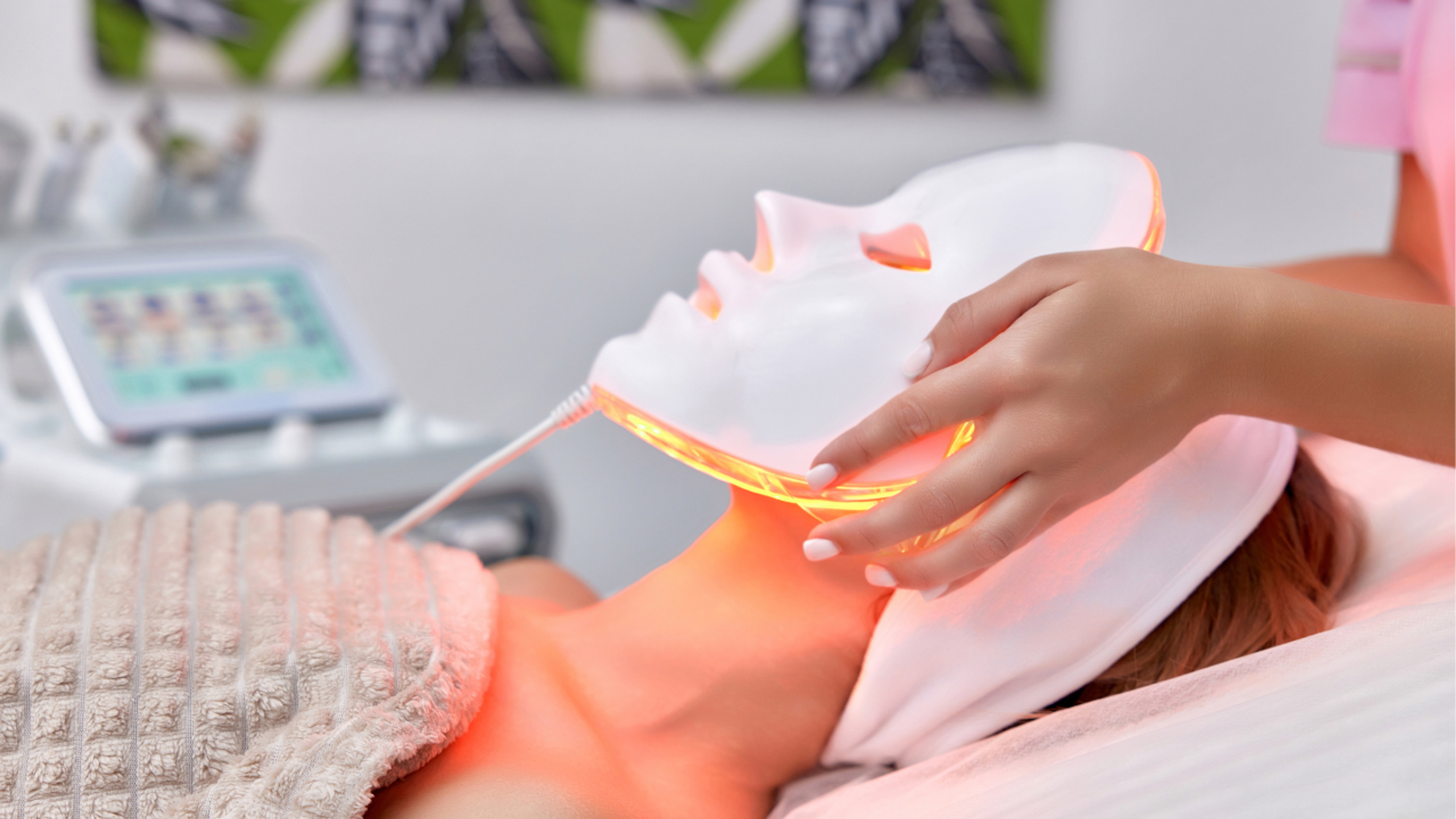
So how does red light actually work?
Red light (660nm) and near-infrared light (850nm) penetrate skin to reach your cells. They stimulate mitochondria to produce more ATP (cellular energy), reduce oxidative stress, and increase blood flow. With more energy (and blood flow) available, the body’s usual healing process for wounds and muscle injuries, collagen production and even nerve damage, may improve (and move) faster.
Red light therapy isn’t just for beauty gurus or top athletes — it can benefit the every day person, like you and me, too.
What to look for when choosing your red light therapy device
Not all all red light therapy devices are created equal. A cheap knock off from Amazon is not going to do the job. Right light must be at certain wavelengths (i.e. down to the “nm” aka the nanometer) to have the biggest benefits.
Here’s what to look for:
- Dual wavelength: 660nm (red) + 850nm (near-infrared) for maximum benefits
- Irradiance: 100+ mW/cm² at 6 inches (closer = stronger dose)
- LED count: More LEDs = better coverage, faster sessions
- Low EMF: Should emit minimal electromagnetic fields
- FDA clearance: Not required but adds credibility
What to avoid:
- No wavelength specs: If they don't list exact nm, skip it
- "Full spectrum" claims: You want specific 660nm/850nm, not random wavelengths
- Suspiciously cheap: Quality LEDs cost money—$50 "panels" won't work
- Overheating: Device should stay cool during use
- No third-party testing: Look for independent irradiance testing
Be on the lookout for marketing tricks, like “full spectrum” or if the device is too cheap. There are many companies out there that make fakes that aren’t worth your money.
Red light therapy devices
Best red light therapy panels
Hooga
- Best mid-range panel
- $200+
I love Hooga. I have a Hooga panel! With dual wavelengths (both 660nm + 850nm wavelengths), a built-in timer, and quality irradiance it's a solid pick. This is my personal favorite, and for the price and quality, it's hard to beat.
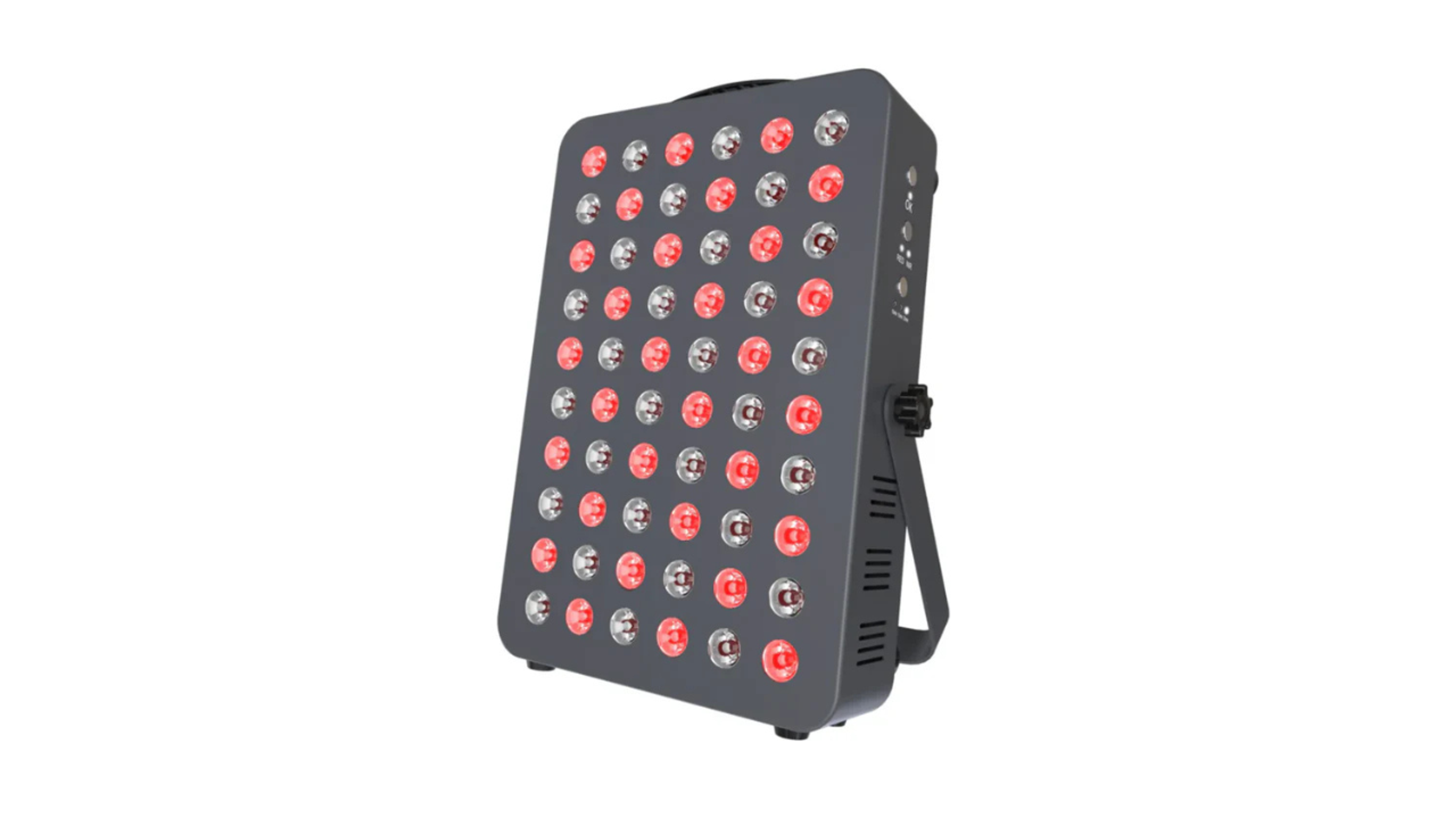
Joovv Mini
- Best overall panel
- $1,009+
Joov makes their red light panels with quality. They are considered medical-grade with 660nm + 850nm wavelengths. It's high irradiance (100+ mW/cm²) and modular design lets you connect multiple panels. It's FDA-cleared, low EMF, too. It's definitely expensive, but worth it for some.
BlockBlueLight
- Best premium panel
- $800+
BlockBlueLight is a solid brand. Their panel is made with multi-wavelength technology with dual-chip LEDs, which deliver light intensities of up to 100+ mW/cm², making it one of the most powerful mid-sized panels available. Their panels are low EMF, flicker-free and FDA-registered.
Best red light therapy face masks
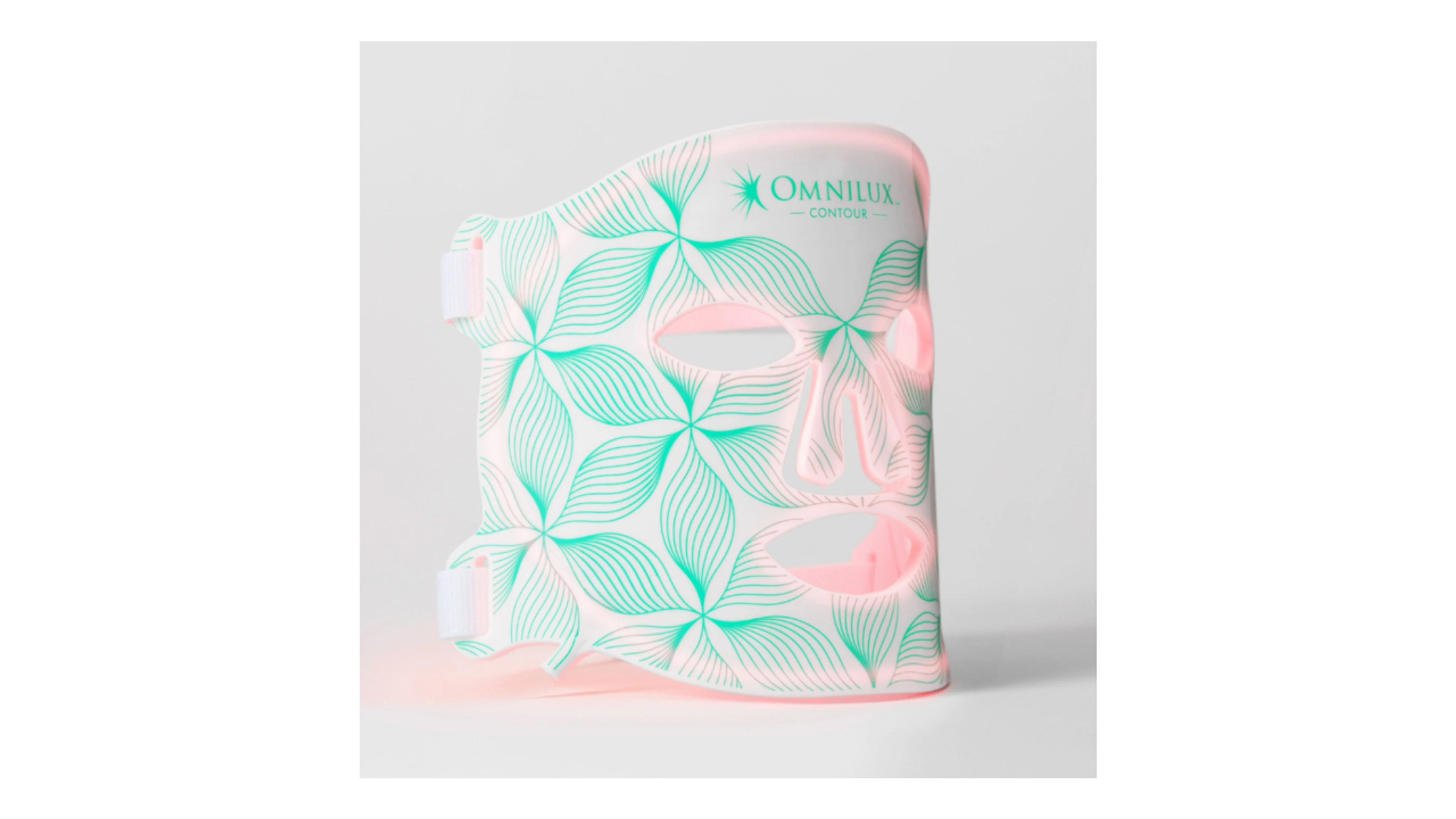
Omnilux
- Best medical-grade mask
- $400+
Omnilux red light therapy masks are FDA-cleared for wrinkles and acne. Uses 633nm + 830nm wavelengths and comes in a flexible silicone design fits most face shapes. There are multiple clinical studies backing this specific device, which is always a good sign.
Hooga
- Best overall mask
- $200+
Hooga's red light mask offers seven colors (red is primary). Reviewers say it has a comfortable fit with hands-free use. Good for skin rejuvenation and anti-aging without the Omnilux’s price.
Solawave
- $300+
Solawave offers a solid red light mask. With four light therapies to choose from (amber, red, deep red, NIR) you have a great variety for the price. There's an on/off button, timer, and treatment time is only a short three minutes.
Bon Charge
- $300+
Bon Charge Mask has a lightweight, portable design. Reviews say it has good LED coverage and comes with a rechargeable battery, which is great for travel. And, it comes at a very affordable price.
How to use red light therapy at home
Making red light therapy part of your routine is easy. To get the most out of your red light therapy device, follow these steps:
- Start with 5 to 10 minutes per session, 3-4x per week
- Position 6-12 inches from device (closer = stronger dose)
- Use consistently—many say that results take weeks to months of consistent use
- Can wear minimal (or no) clothing for full-body panels (more skin exposure = better)
However, please protect yourself! Protect your eyes (close them or wear red light blocking goggles for the panels), looking straight into the red light can damage your eyes.
Red light therapy for the win
Red light therapy isn't a gimmick. Rather, it's backed by legitimate research and used by professional athletes, dermatologists, and biohackers alike. You don't need the most expensive device to see benefits, I promise. Start with what fits your budget and then, just use it consistently!
FAQ
Does red light therapy really work?
Yes—there are hundreds of peer-reviewed studies showing red light therapy effectively stimulates collagen production, reduces inflammation, and accelerates wound healing. NASA originally researched it for astronauts' cellular repair in space. The key is using devices with the correct wavelengths (660nm and 850nm) at sufficient irradiance. Cheap knockoffs with unspecified wavelengths won't work. Quality devices from brands like Joovv, Hooga, and Omnilux use clinically-tested specs and actually deliver results when used consistently.
What are the benefits of red light therapy for skin?
Red light therapy boosts collagen and elastin production, which reduces fine lines and wrinkles. The 660nm wavelength penetrates skin to stimulate fibroblasts—the cells that make collagen. It also reduces inflammation, improves skin tone, and can help with acne by killing bacteria and calming redness. Most people see visible improvements in skin texture after 4-8 weeks of consistent use (3-4 sessions per week). It's why dermatologists use medical-grade devices like Omnilux in-office.
How long does it take to see red light therapy results?
Most people notice energy improvements within 1-2 weeks. Skin changes (wrinkles, texture) take 4-8 weeks of consistent use. Pain and inflammation relief can happen after just a few sessions. Hair growth takes 3-6 months. The key word is consistent—using it once won't do anything. Think of it like working out—you need regular sessions (3-4x per week, 10-20 minutes) to see cumulative benefits.
Is red light therapy safe to use every day?
Yes, red light therapy is safe for daily use. Unlike UV light, red and near-infrared wavelengths don't damage skin or DNA. Most people do 10-20 minute sessions 3-7 times per week. Just protect your eyes (close them or wear goggles) and avoid use if you're on photosensitive medications. There's no radiation or heat damage risk—quality devices stay cool during use.
What's the difference between red light therapy panels and masks?
Panels treat full body or larger areas (back, legs, torso) and are more powerful. Good for muscle recovery, joint pain, overall energy. Masks target your face specifically for anti-aging and skin benefits. Masks are easier to use hands-free while panels require you to stand/sit in front of them. If you want skin benefits only, get a mask. If you want full-body benefits (recovery, energy, pain relief), get a panel. Some people have both.
Can I use red light therapy at home or do I need a clinic?
You absolutely can use red light therapy at home—and it's way more cost-effective than clinic visits. A quality at-home panel costs $200-700 upfront but pays for itself after 5-10 clinic sessions (which run $50-150 each). At-home devices from Joovv, Hooga, and BlockBlue Light use the same wavelengths as professional equipment. The main difference is clinic devices are often larger/more powerful, but home devices work great with consistent use. Just make sure you buy quality devices with specified wavelengths and irradiance.
Related articles

Best non-toxic candles (beeswax, coconut oil): What to buy and what to avoid
Most candles are full of harmful toxins. But there are safe and non toxic candle options available.

The best cast iron skillet: Safe, non-toxic cookware that lasts a lifetime
Discover the best cast iron skillet for safe, non-toxic cooking. Compare Lodge, Field Company, and Lancaster (and more). Plus, learn how to season and clean...

Top healthy & clean protein powder (best brands!)
Not all protein powders are healthy. Many contain fillers, sweeteners, and even heavy metals. In this article, I break down the best healthy and clean...


