Your guide to organic tampons (what to look for & best brands) - 2026

Affiliate Disclosure: This post may contain affiliate links. If you make a purchase through these links, we may earn a small commission at no extra cost to you. We only recommend products we genuinely believe in. Learn more
Medical Disclaimer: This content is for informational purposes only and is not medical advice. Please consult a healthcare professional before making health-related decisions. Full disclaimer
In This Article
For years, I used the popular brands you can find in any store — Tampax, U by Kotex, and Playtex. It wasn’t until my twenties when I started get more invested in my health, and realized the potentially endocrine (hormone) disrupting chemicals and additives contained in my monthly feminine products.
The more I researched, the more I realized the dangers hiding in my tampons and pads. Most conventional tampons contain pesticides, heavy metals, dioxins, and synthetic materials that my vagina absorbs on contact. In one study, lead and arsenic were found in all 16 of the tampon brands tested! Sadly, unlike food and cosmetics, menstrual products aren’t strictly regulated for ingredient disclosure and are exposing us to harsh and harmful chemicals, which can impact our long-term health and hormones.
So, if you have ever wondered what tampons are safe — I’ve got you!
There’s a lot to think about and look out for with your feminine products, especially tampons. I will cover what makes tampons actually safe, what to avoid, and the best organic tampon brands I have found.
At a glance:
- Best overall organic tampon: Lola or Oi
- Best environmentally conscious tampon: Natracare
- Most affordable organic tampon: Rael
Why you should choose organic tampons and period products
Your vagina tissue is highly permeable, which means it’s very absorbent. It absorbs chemicals faster than your skin! The average woman menstruates over 450+ times in their lifetime — that is, years and years of daily exposure to harmful chemicals in their period products and feminine hygiene products. Harmful chemicals that have been found in tampons and period products include not just lead and arsenic, but phthalates, volatile organic compounds, parabens, environmental phenols, fragrance chemicals, dioxins, and dioxin-like compounds.
Unfortunately, even the smallest amounts of toxins add up over time, potentially disrupting your hormones, fertility, and overall health.
You might wonder why these chemicals are even included in period products? Well, dioxins are used in the bleaching process (to make the tampons white). If the cotton used in the fabric of the pad or tampon isn’t organic, then the cotton will have been treated with glyphosate (a pesticide), to name a few. These ingredients are sadly unnecessary.
What to look for in organic tampons (and why you should choose organic)
So, there are a couple of things to look out for when choosing your next tampon.
Look for:
- 100% organic cotton: Choose GOTS certified (Global Organic Textile Standard), as this ensures cotton is grown without pesticides, synthetic fertilizers, or GMOs, or OCS certified (Organic Content Standard), which verifies organic content percentage. Tip: Look for organic cotton core AND cover. Some brands will say organic cotton core, but then the other parts of the tampon may use a different material.
- Unbleached or oxygen-bleached: Avoids chlorine bleaching (which creates dioxins).
- BPA-free applicators: If using applicators, ensure they're free from plastics that leach endocrine disruptors. Better yet: applicator-free or cardboard applicators!
- Biodegradable/compostable: Bonus points for environmental impact!
Ingredients & materials to avoid:
- Titanium dioxide: Used to make tampons appear white, but linked to inflammation and reproductive harm
- Heavy metals: These are not often disclosed, but choosing organic and unbleached options reduces your chances of exposure
- Synthetic fibers & rayon: Rayon production involves harsh chemicals
- Chlorine bleaching: Creates dioxins (known carcinogens). Instead, look for "oxygen-bleached" or "unbleached" instead.
- Fragrance: This term is unregulated and contains undisclosed chemical cocktails. Not only is fragrance linked with irritation and allergic reactions, but also hormone disruption, too. The vagina is self-cleaning; fragrance is unnecessary and harmful.
- Pesticides & glyphosate: These are found in non-organic cotton and absorbed directly through the bloodstream through vaginal tissue.
Best organic tampons: Top recommendations
Here are my recommendations for the best, organic, nontoxic tampon options that are healthy for you and your cycle.
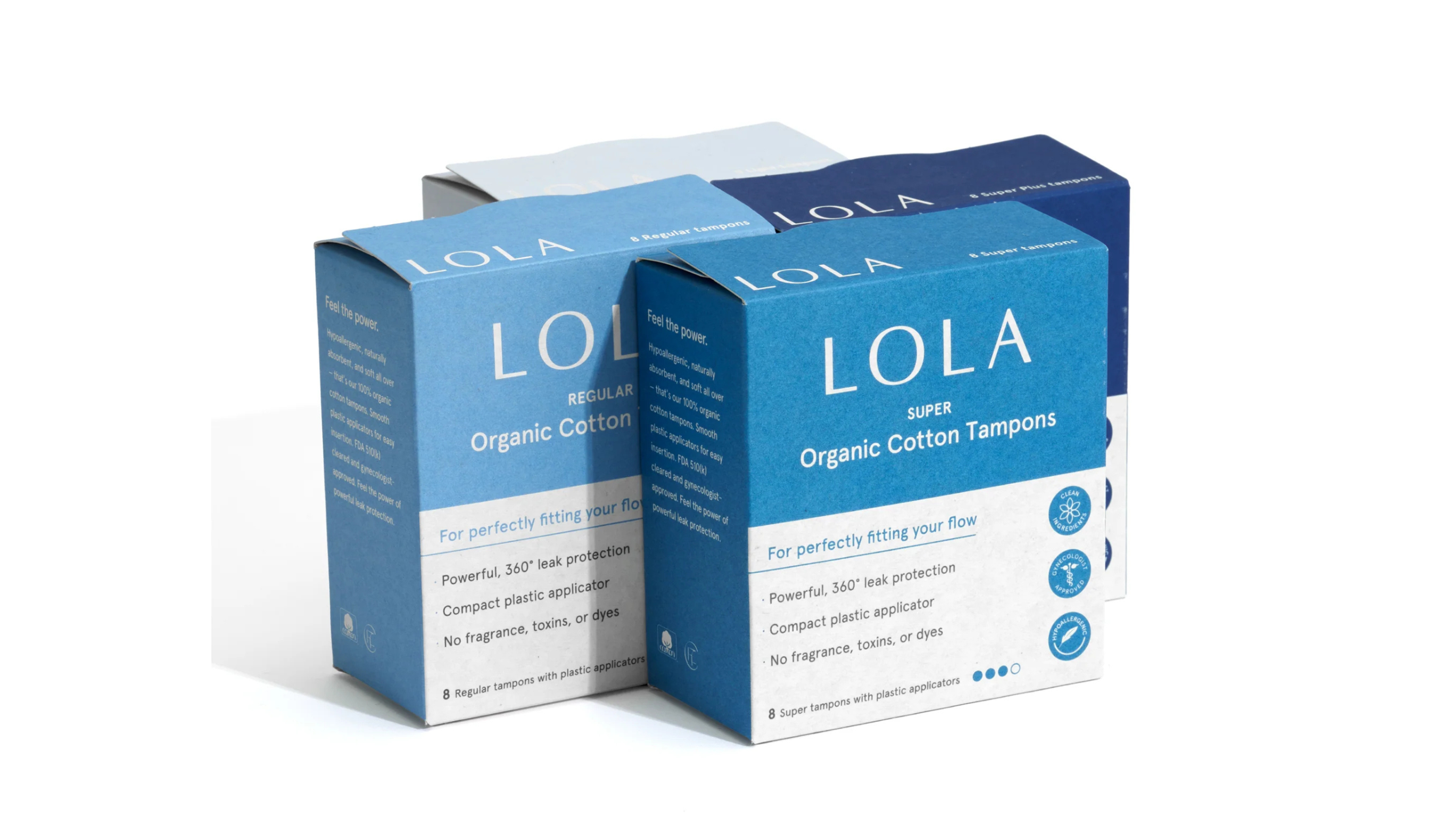
Lola
- Materials: 100% organic cotton core, oxygen-bleached
- Price: $10-12+
Lola offers 100% organic cotton, no synthetic fibers, toxin-free, and GOTS-certified tampons (and pads). I love that Lola is transparent about ingredients and they test their tampons for more than 1,000 toxins and metals, including antimony, lead, arsenic, mercury, and cadmium — which is awesome. I also appreciate that their applicators are BPA-free plastic, or you can choose applicator-free. I have used Lola for years, and like both their pads and their latex-free, natural rubber condoms, too (haha).
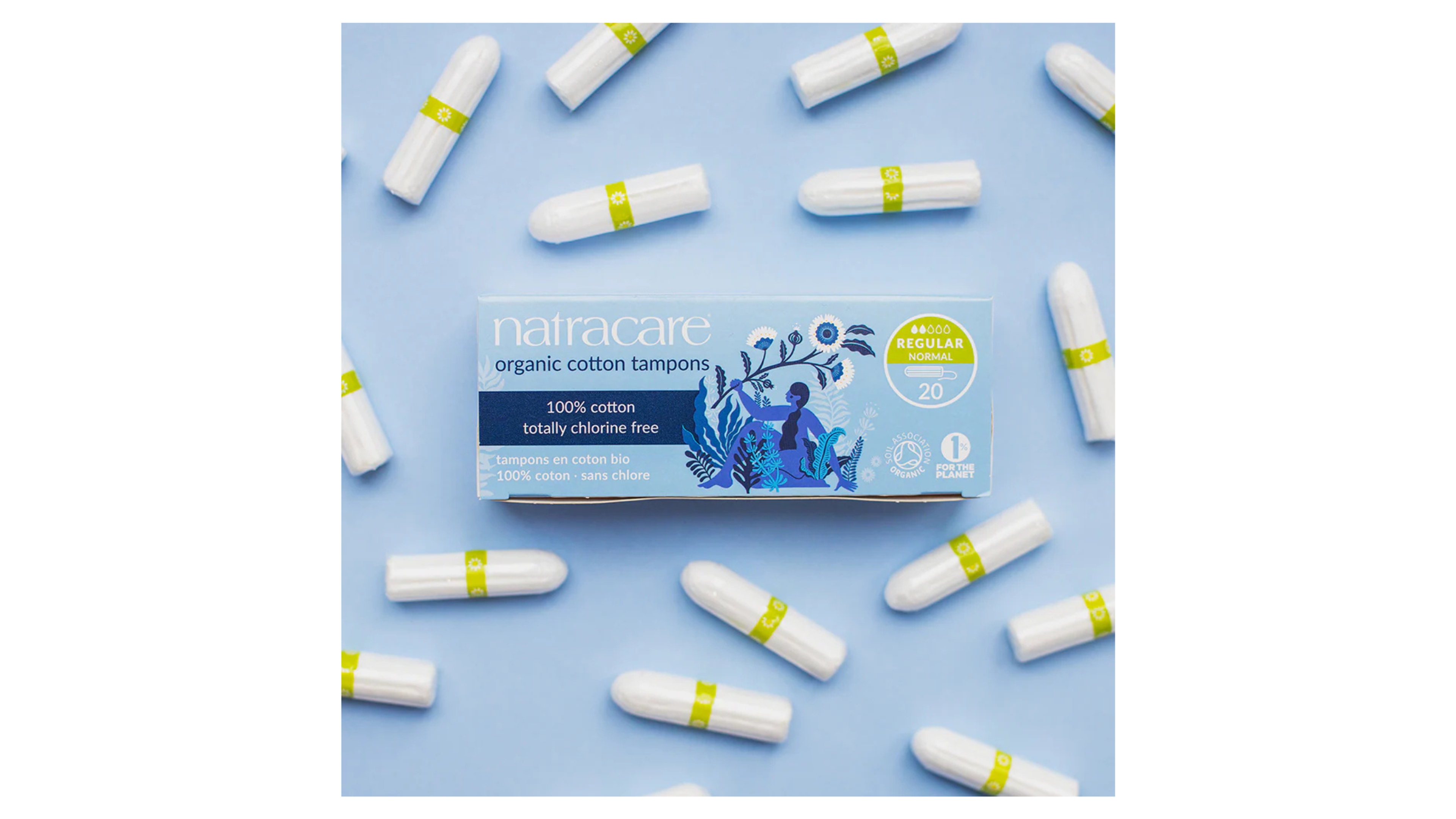
Natracare
- Materials: Certified organic cotton, unbleached, plastic-free applicator
- Price: $7-9+
Not only are Natracare’s ingredients really clean — they don’t use pesticides, phthalates, chlorine, dyes, perfumes, or dioxins — but they are also made of organic cotton, and they are biodegradable and compostable! Natracare has been around since 1989 and is a pioneer in organic period products. Packaging is plastic-free, which is such a nice plus to me! I’ve used this brand before, and I recommend it.
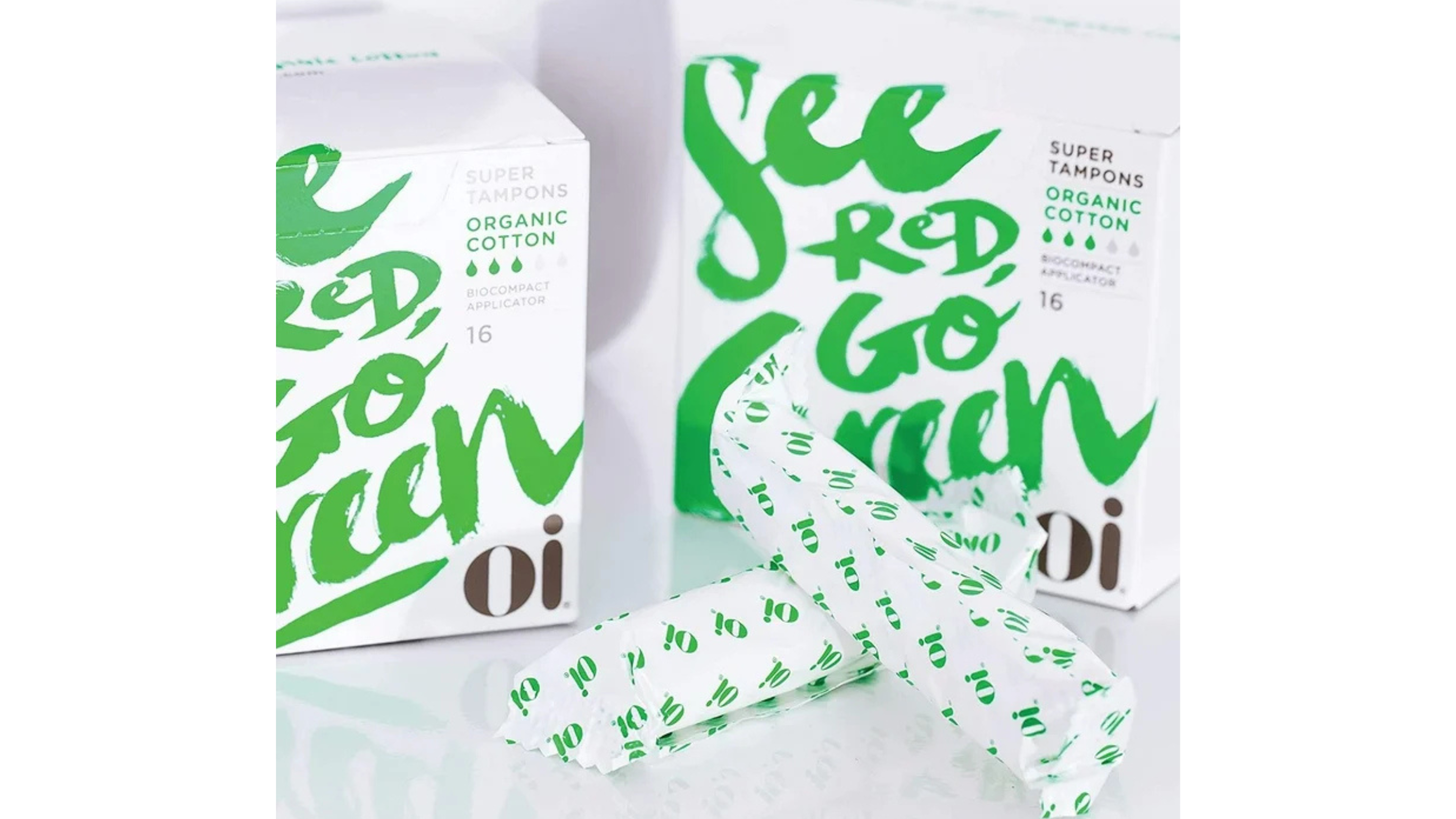
Oi
- Materials: 100% organic cotton, unbleached or oxygen-bleached
- Price: $9-11 for 16 count
What I love about Oi is not only is their core organic cotton, but so is the cover and even the string! With plastic-free packaging, carbon-neutral shipping, these are all nice adds. Their tampons are also biodegradable and compostable! They are just a really great brand all around!
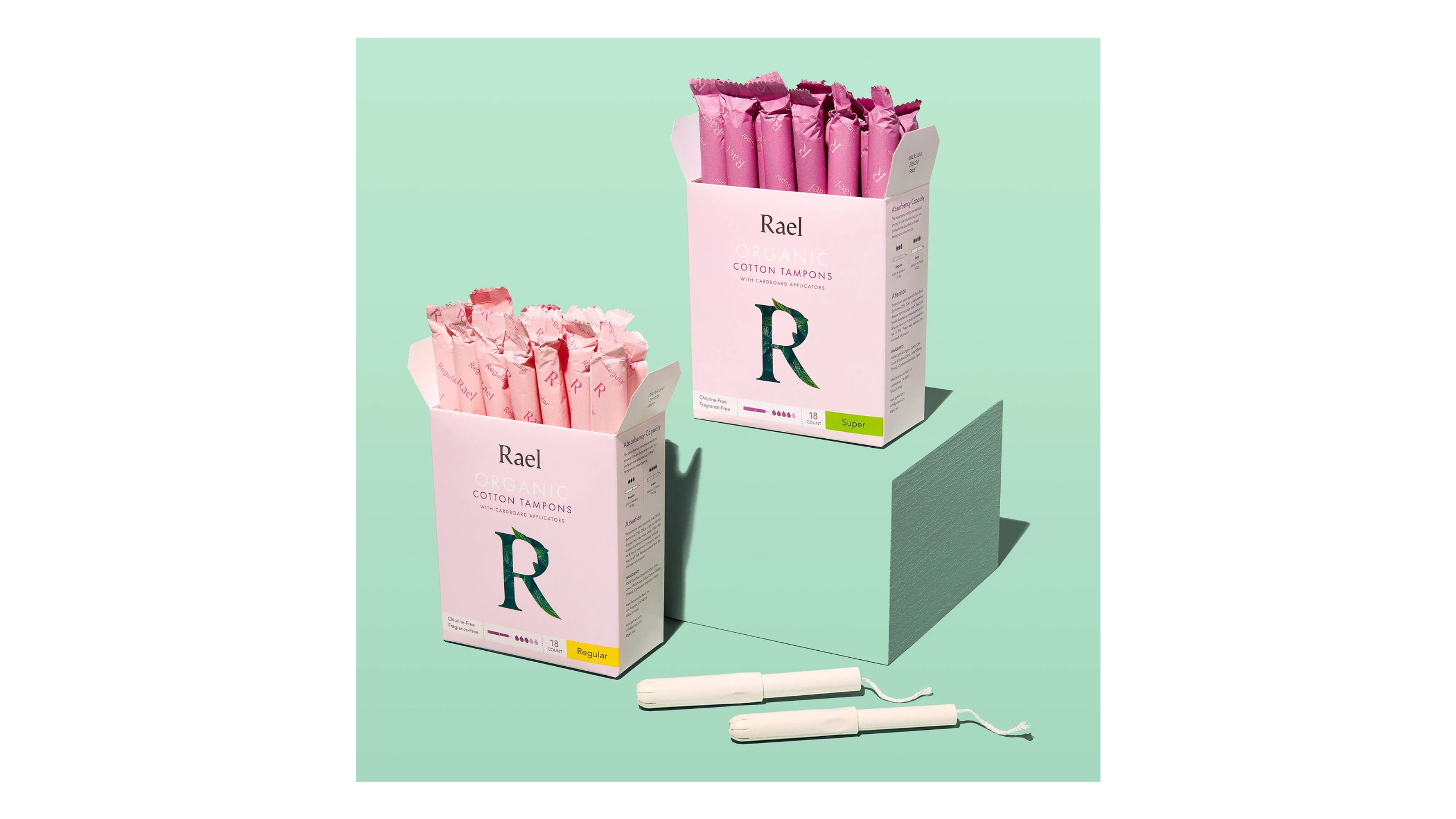
Rael
- Materials: Certified organic cotton, unbleached or oxygen-bleached, BPA-free applicators
- Price: $8-10+
Rael offers organic cotton certified by GOTS and USDA tampons. I have personally used Rael tampons and really like them. They come in a BPA-free applicator and are fragrance-free, chlorine-free, and pesticide-free. This one ranks a little lower for me because while they contain a 100% cotton core, the rest of the material is blended with organic cotton. So, not perfect, but for the price, this is a good option!
Cora
- Materials: 100% organic cotton, oxygen-bleached
- Price: $10+
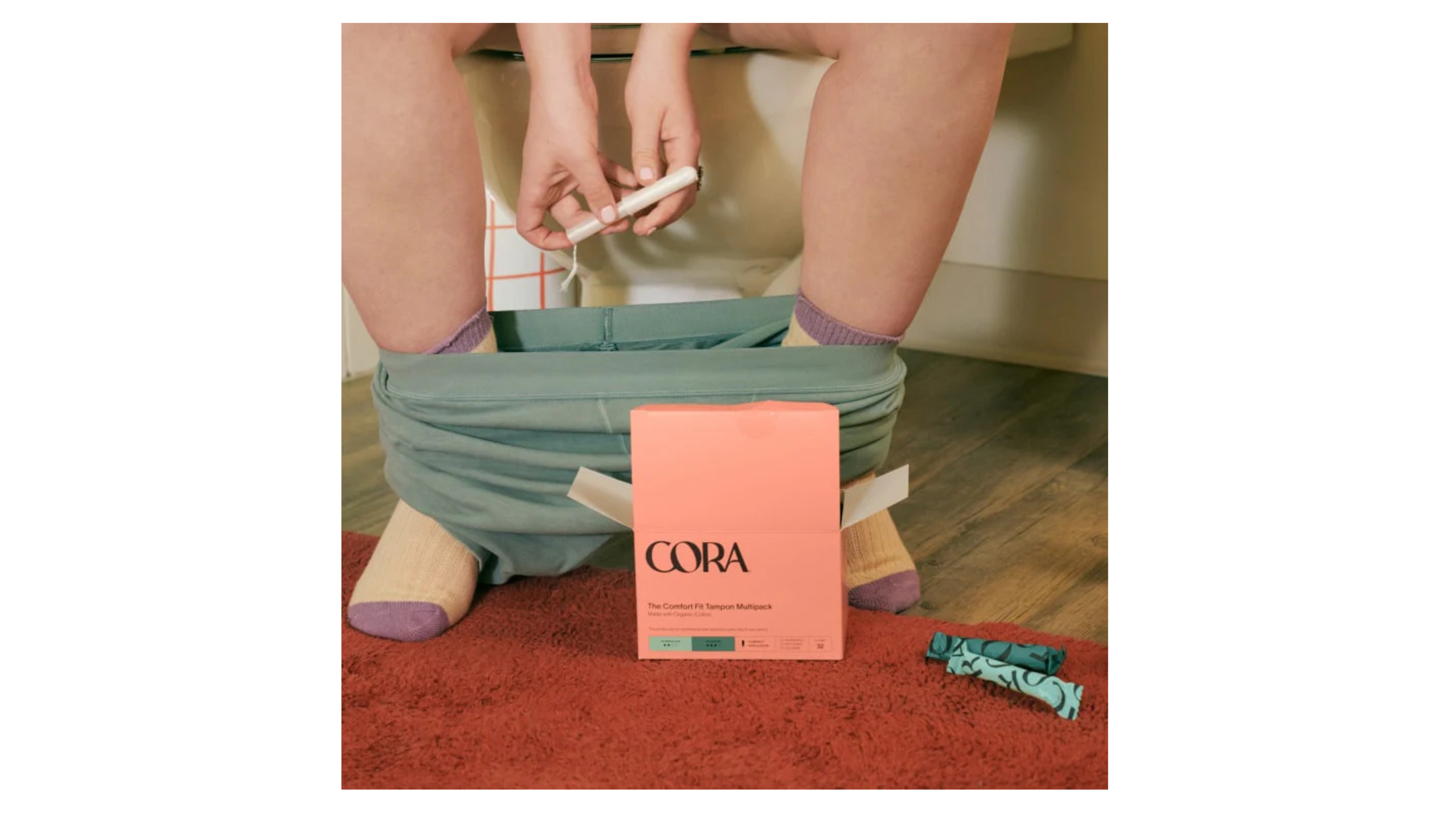
GOTS-certified 100% organic cotton, chlorine-free, non-toxic! I really like that Cora’s tampons are made without pesticides, chlorine, rayon, or fragrances. I have used this brand previously and think it works well.
HoneyPot
- Materials: Organic cotton, plant-derived materials
- Price: $6-8+
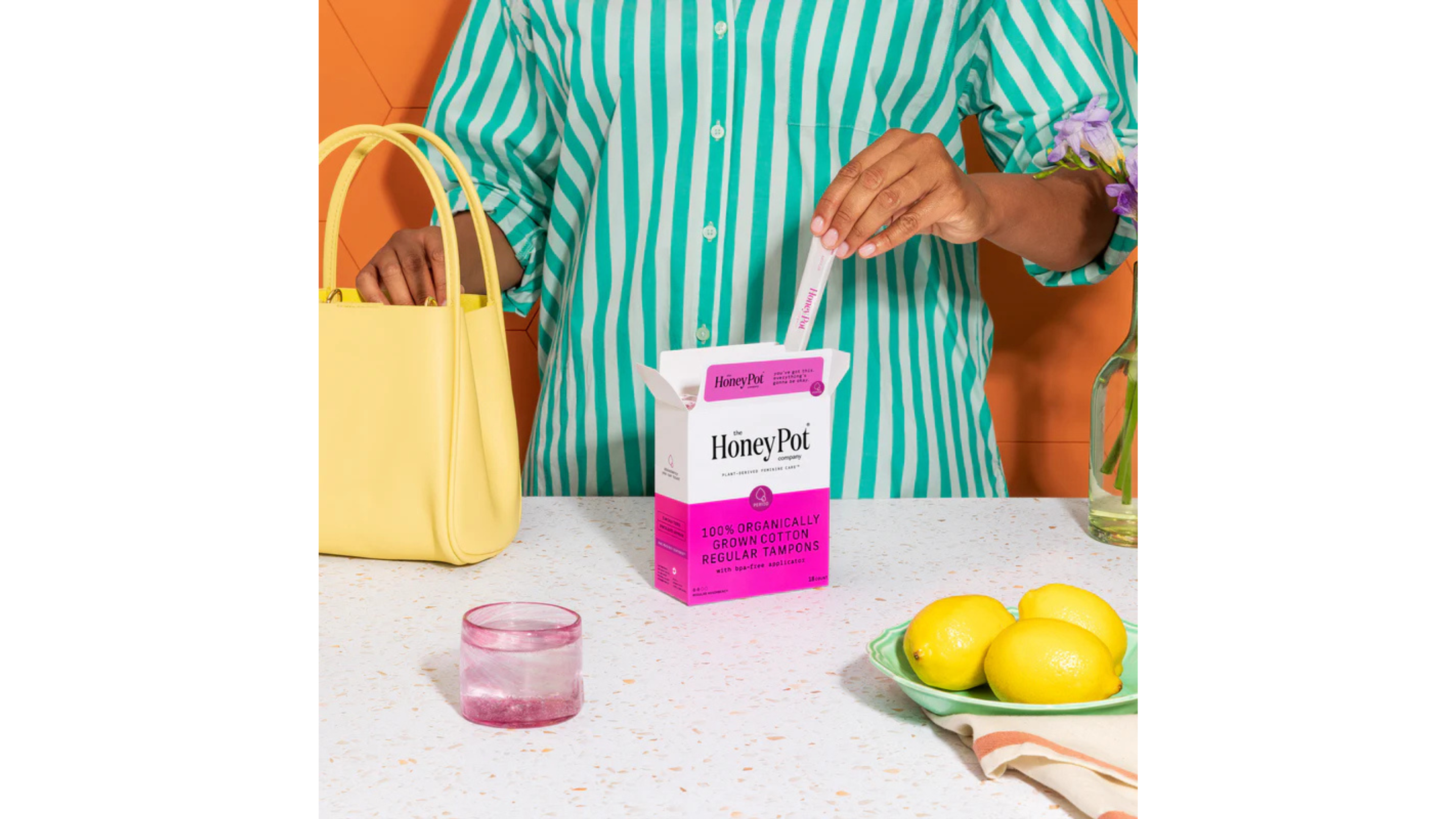
Made with organic cotton, plant-based, and free from chlorine, rayon, and dyes, HoneyPot is another solid tampon option. This brand is widely available at drugstores like Target and CVS, making it an accessible, clean option. The only reason they aren’t one of my favorites is that they add essential oils for natural odor protection and to refresh down there, which I don’t think is necessary or needed, but some like it.
Flo
- Materials: Certified organic cotton, oxygen-bleached
- Price: $7-10+
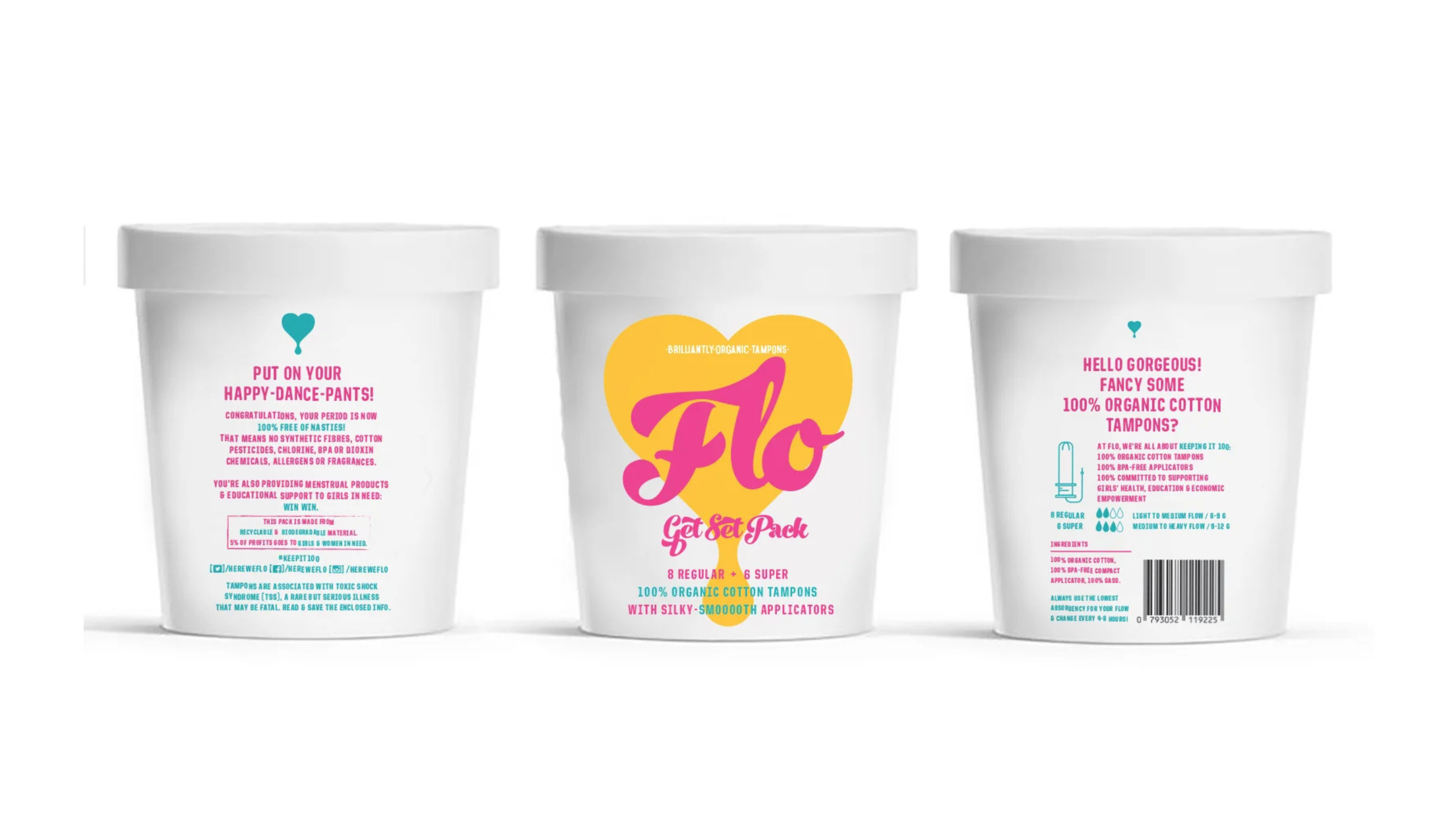
Flo offers 100% organic cotton tampons with a plant-based bioplastic applicator! This is nice and helps reduce unnecessary waste. You can also compost the wrapper as it’s made of plant starch. They don’t use synthetic fibers, fragrances, bleach, or artificial dyes, either.
August
- Materials: Fragrance-free, non-toxic, organic cotton
- Price: $15+
Free from harsh chemicals, fragrances, chlorine, pesticides, and toxins, August’s organic cotton tampons are another good option. They also claim to be Climate Neutral and 100% Net Plastic Recycled Certified, and a 1% for the Planet member.

L.
- Materials: 100% organic cotton
- Price: 20+
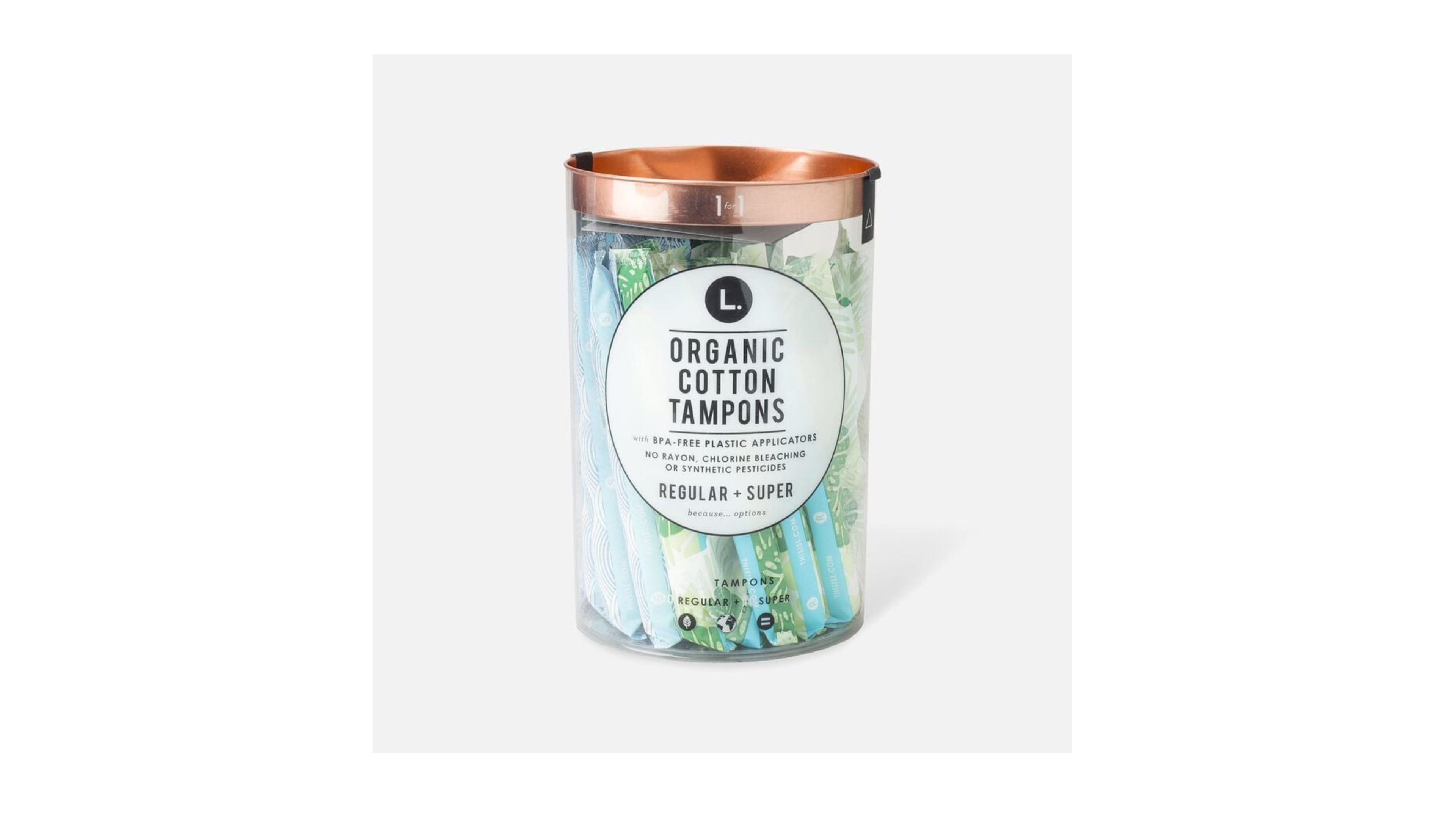
L. tampons and pads can be found commonly at popular grocery stores, Target, CVS, and Walgreens locations, making them a clean and accessible option. While they use an organic cotton core and are made without synthetic pesticides, rayon, and fragrances, they don’t rank at the top of my list. The reason is that they actually advertise that they use polyester (aka plastic) to help with moisture wicking. As well as paraffin, which comes from petroleum. Neither of those is are chemicals I want anywhere near my body, especially not my vagina. But besides that, they are still much better than conventional tampons. If I have to choose between Tampax and L., I am choosing L.!
Beyond tampons: Other organic period products
I hope one of the above tampon options fits what you are looking for! I also wanted to add that tampons aren't the only period product to look out for when choosing safer, healthier options.
Conventional tampons can contain harmful chemicals, but so do pads and even period underwear (especially if made from polyester!).
I will be going into detail on all the best options for nontoxic pads in another post coming soon, but in the meantime, there are plenty of great brands to choose from that hold themselves to a high standard. For pads, I generally recommend the same brands I mentioned above, such as Lola, Oi, Rael, Natracare, and HoneyPot, to name a few.
But you can also try out cotton period underwear, like these, or a silicone disc or cup. You can even combine options — I commonly wear period underwear to sleep but pads and tampons during the day. I have a friend who swears by the disc, though!
Flow safely
It’s the sad reality that so many popular tampon brands are full of dangerous and harmful chemicals and toxins that are absorbed by your body. It’s important to protect your vagina well, just like you would treat your body well by eating good food and exercising, using clean cleaning supplies that reduce exposure to harsh and toxic chemicals, or washing your clothes in nontoxic laundry detergents.
Reducing your toxic load is important, and your period products matter! Making the switch to organic cotton tampons is one of the simplest ways to reduce your daily toxin exposure. I promise, your long-term health is worth it!
FAQ: Organic tampons & period products
Are organic tampons really better?
Yes! Organic tampons are made from pesticide-free cotton and avoid harsh chemicals, dyes, fragrances, and synthetic materials found in conventional tampons. Since vaginal tissue is highly absorbent, using organic products reduces your exposure to toxins that can accumulate over time and potentially disrupt hormones and fertility.
Do organic tampons reduce TSS risk?
While TSS (Toxic Shock Syndrome) is rare, 100% organic cotton tampons may reduce risk compared to synthetic fiber tampons (like rayon). The key is still proper usage: change tampons every 4-8 hours, use the lowest absorbency needed, and never leave one in overnight beyond 8 hours.
What are tampons made of?
Conventional tampons typically contain a blend of cotton and rayon (a synthetic fiber), often bleached with chlorine. Organic tampons are made from 100% certified organic cotton that's grown without pesticides, GMOs, or synthetic fertilizers, and bleached with oxygen or left unbleached.
Are tampons safe to use?
Organic tampons made from 100% certified organic cotton with no added chemicals, fragrances, or synthetic materials are safe when used as directed. However, conventional tampons may contain heavy metals, pesticides, dioxins from bleaching, and undisclosed ingredients that can be harmful with repeated exposure.
Why are organic tampons more expensive?
Organic cotton farming is more labor-intensive and costly than conventional cotton farming. Additionally, third-party certifications (like GOTS) and transparent manufacturing practices add to production costs. However, the health benefits and reduced toxin exposure make them worth the investment.
Can I find organic tampons at regular stores?
Yes! Brands like HoneyPot, Rael, Natracare, and Cora are increasingly available at Target, CVS, Walgreens, and Whole Foods. You can also order directly from brand websites or through online retailers like Amazon.
Do organic tampons contain heavy metals?
True certified organic tampons should have minimal to no heavy metal contamination. Recent studies found heavy metals in many conventional tampon brands, but organic tampons made from GOTS-certified cotton and tested for contaminants are significantly cleaner.
What tampon brands are safe?
The safest tampon brands are those using 100% GOTS-certified organic cotton with no synthetic materials, fragrances, or chlorine bleaching. Top safe brands include: Lola, Rael, Cora, Natracare, Oi, Flo, and HoneyPot.
What are pads made of?
Conventional pads typically contain plastic layers, synthetic materials, fragrances, and super-absorbent polymers. Organic pads are made from certified organic cotton, are chlorine-free, and avoid plastics and fragrances. Look for brands like Natracare, Rael, and Cora for organic pad options.
Are tampons toxic?
Conventional tampons can contain toxic ingredients, including pesticide residues, dioxins from bleaching, heavy metals, fragrance chemicals, and synthetic fibers. Organic tampons made from organic cotton are non-toxic when they're free from these additives.
Can tampons cause health problems?
Long-term exposure to chemicals found in conventional tampons—like dioxins, pesticides, and heavy metals—has been linked to hormone disruption, fertility issues, and increased cancer risk. Switching to certified organic tampons significantly reduces these risks.
What is titanium dioxide, and why is it in tampons?
Titanium dioxide is a whitening agent used to make tampons appear bright white. It's been linked to inflammation and potential reproductive harm, yet manufacturers aren't required to disclose it. Organic, unbleached, or oxygen-bleached tampons avoid this additive.
Related articles

Best non-toxic candles (beeswax, coconut oil): What to buy and what to avoid
Most candles are full of harmful toxins. But there are safe and non toxic candle options available.

The best cast iron skillet: Safe, non-toxic cookware that lasts a lifetime
Discover the best cast iron skillet for safe, non-toxic cooking. Compare Lodge, Field Company, and Lancaster (and more). Plus, learn how to season and clean...

Top healthy & clean protein powder (best brands!)
Not all protein powders are healthy. Many contain fillers, sweeteners, and even heavy metals. In this article, I break down the best healthy and clean...


